Understanding Portable Toilets
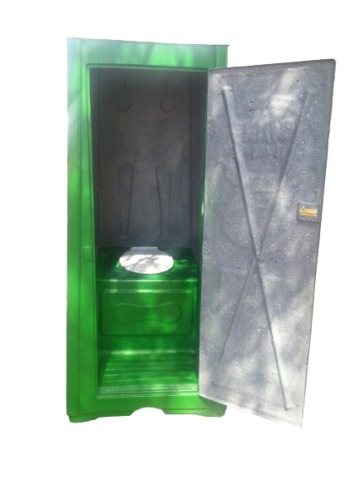
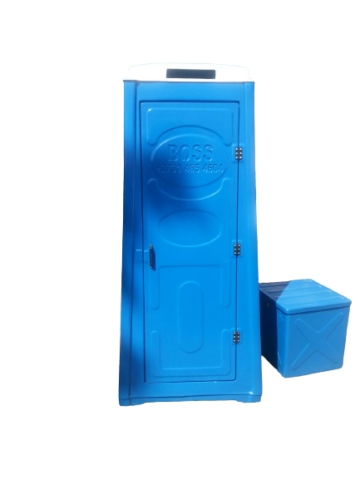
Portable toilets are self-contained units that provide users with access to private sanitation facilities without the need for plumbing or permanent infrastructure. These units are popular at construction sites, camping grounds, festivals, public gatherings, and remote locations. They come in various designs, but the most common division is between flush and non-flush models.
What is a Flush Portable Toilet?
A flush portable toilet functions similarly to a traditional home toilet. It includes a flushing mechanism, often operated by a manual pump or foot pedal, and a holding tank where waste is stored. These toilets are more hygienic and comfortable because the flushing action helps reduce odors and improve user experience.
Flush toilets typically come with a separate fresh water tank and waste tank. After use, the toilet flushes water to clean the bowl, storing waste in a sealed compartment below. This setup is ideal for:
- Long-term events
- Construction sites
- RVs and motorhomes
- High-traffic areas where hygiene is a priority
Key Benefits of Flush Toilets:
- More hygienic with minimal odor
- User-friendly and close to the experience of a home toilet
- Includes handwash features or sanitizers in some models
- Appears cleaner, increasing user satisfaction
However, flush toilets are slightly bulkier and may require occasional servicing to refill the water tank and empty waste compartments.
What is a Non-Flush Portable Toilet?
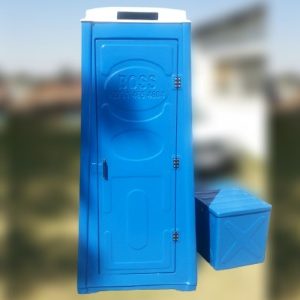
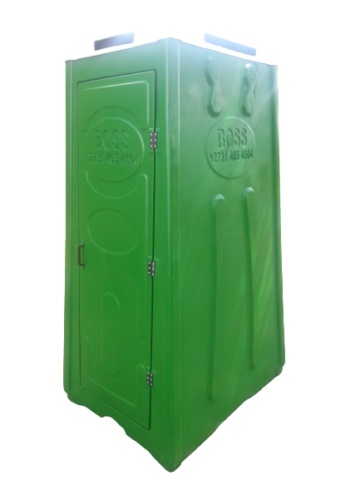
Non-flush portable toilets, often called chemical toilets or dry toilets, do not include a flushing mechanism. Instead, waste falls directly into a sealed holding tank located below the seat. These units often use chemicals to break down waste and control odors.
Non-flush toilets are lightweight, cost-effective, and highly portable. They are the go-to choice for:
- Remote construction or mining sites
- Campgrounds
- Emergency disaster response zones
- Temporary setups where plumbing or water access is unavailable
Advantages of Non-Flush Toilets:
- Simple design with fewer moving parts
- Lower purchase and maintenance costs
- Ideal for locations without water supply
- Easier to transport and set up
Though these models are less luxurious than flush toilets, they remain reliable and easy to use.
Frequently Asked Questions (FAQs)
1. Which is better: flush or non-flush portable toilet?
It depends on your specific needs. A flush toilet offers a cleaner, more comfortable experience, ideal for longer use or events. A non-flush toilet is more budget-friendly, lighter, and better for short-term or rugged environments.
2. How often should a portable toilet be emptied?
This varies based on usage. A toilet used by 10 people might need servicing every 2–3 days. High-traffic or long-term usage may require daily emptying. Always monitor tank levels to avoid overflow and odor issues.
3. Are portable toilets hygienic to use?
Yes, when properly maintained. Flush toilets provide a more hygienic experience, but even non-flush units can be kept clean with regular servicing and proper deodorizing chemicals.
4. Can I use a portable toilet indoors or inside a tent?
Yes, especially non-flush or chemical toilets, which do not require plumbing. Just ensure proper ventilation and regular emptying. For indoor use, compact designs with odor-control features are recommended.
5. Do portable toilets require special chemicals or additives?
Yes, especially for non-flush portable toilets. These toilets typically use special chemicals or deodorizers to break down waste, control odors, and reduce the growth of harmful bacteria. Flush portable toilets may also use biodegradable toilet chemicals to maintain cleanliness and sanitation. It’s important to choose products designed specifically for portable toilet use to ensure effective waste management and environmental safety.